



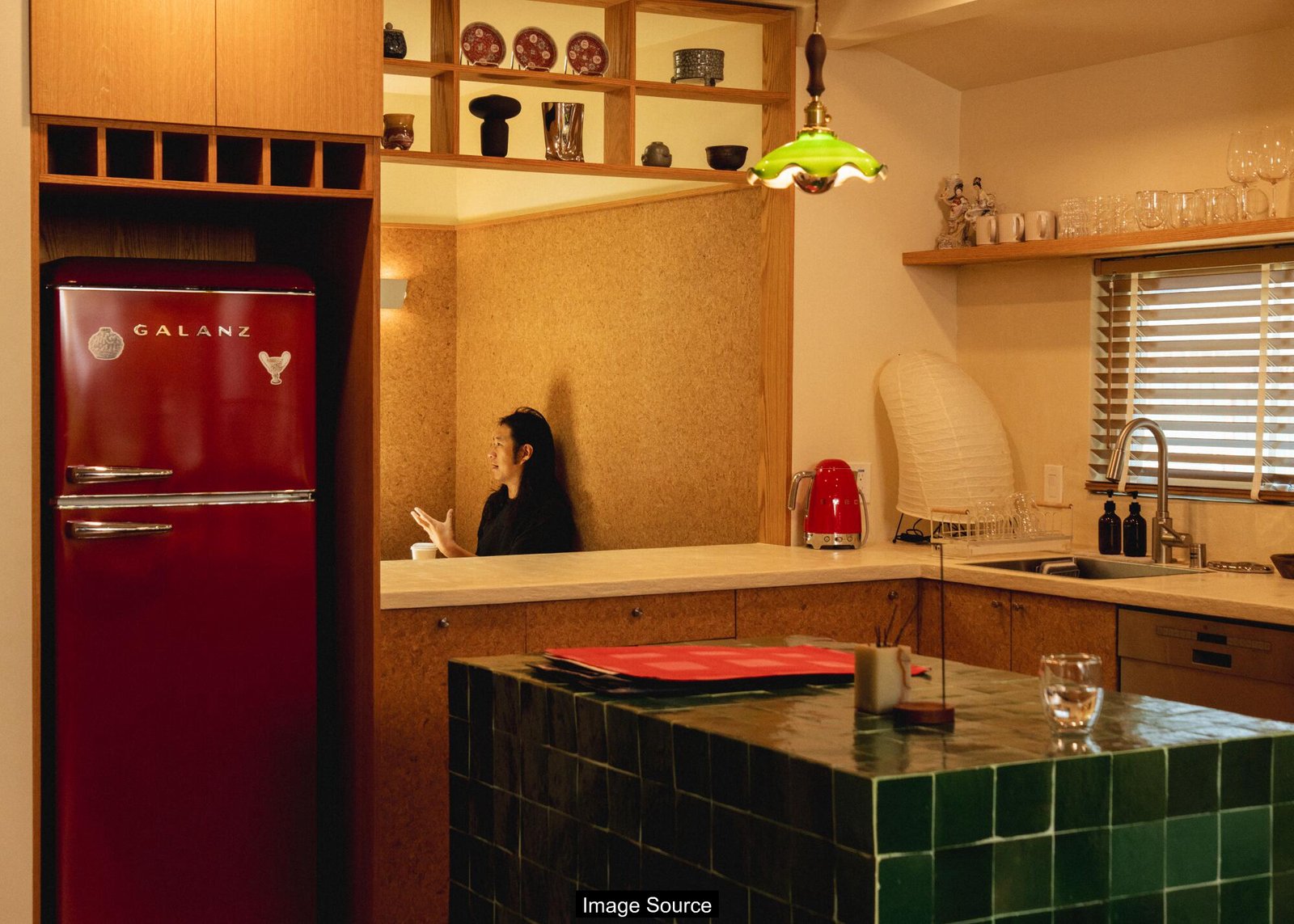
A meticulously restored Craftsman residence in Los Angeles reveals the profound design sensibilities of famend Hong Kong filmmaker Wong Kar-wai, identified for his visually poetic cinema. The house, located in a historic neighborhood, exemplifies the director’s signature method to capturing on a regular basis moments and atmospheric intimacy by means of architectural and inside design decisions.
The Architectural Imaginative and prescient of Paul Chan
Paul Chan’s architectural philosophy emerges from a profound respect for house, historical past, and human expertise. His Silver Lake studio, Days of Being, represents greater than a bodily construction—it embodies a story of restoration, creativity, and cultural connection. Chan approaches design as a dwelling dialogue between previous and current, reworking areas into intimate sanctuaries that honor their unique essence.
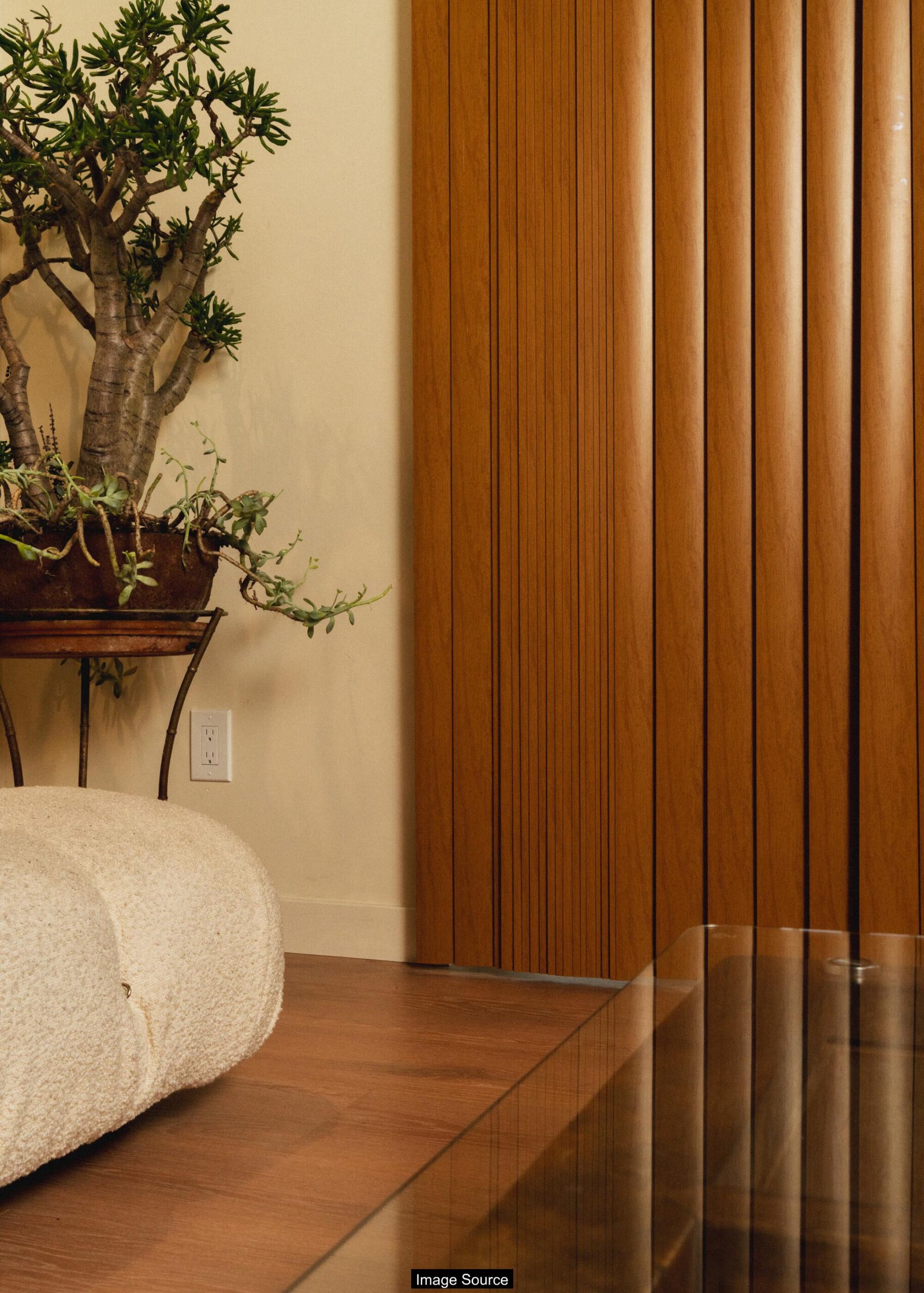
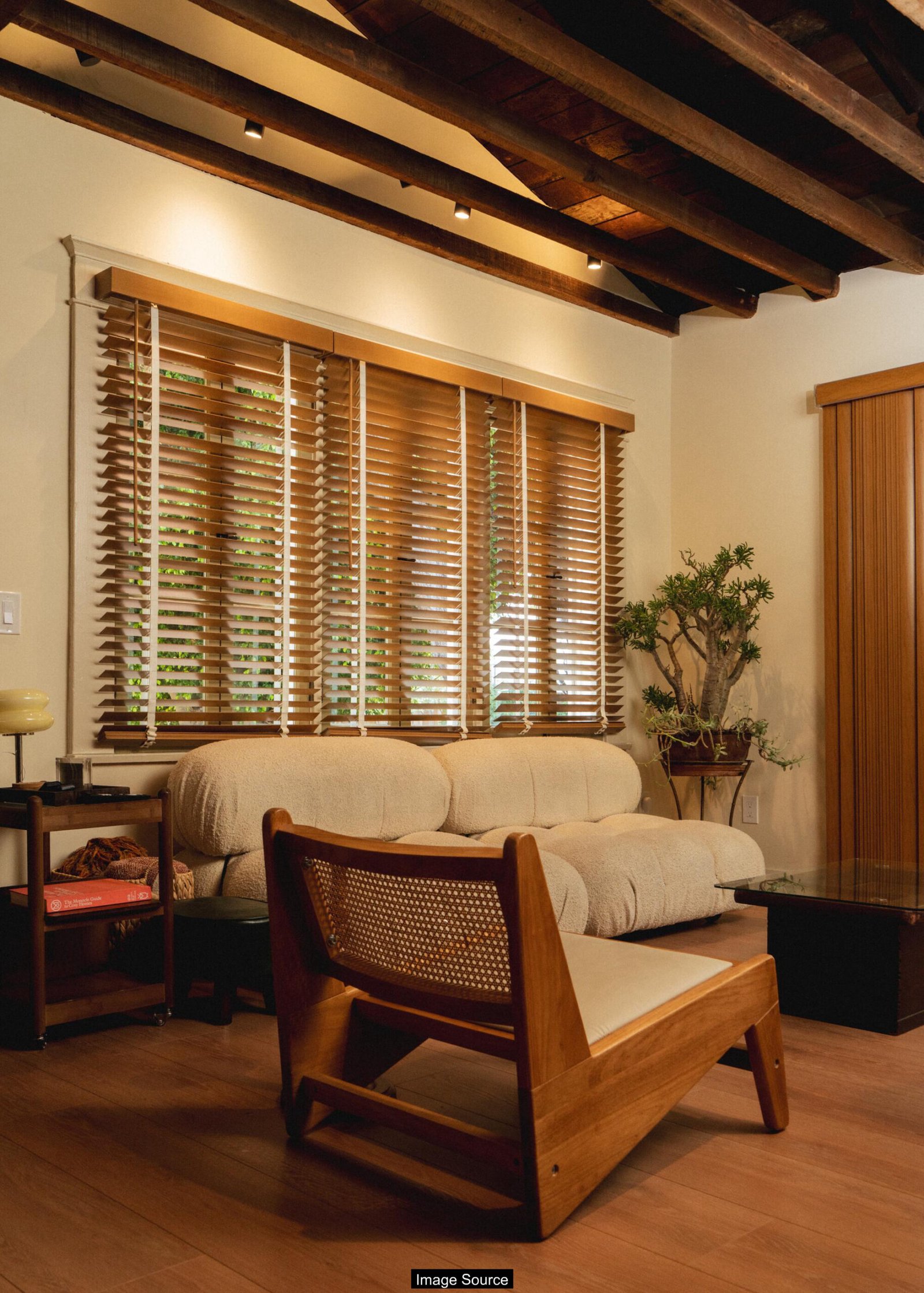
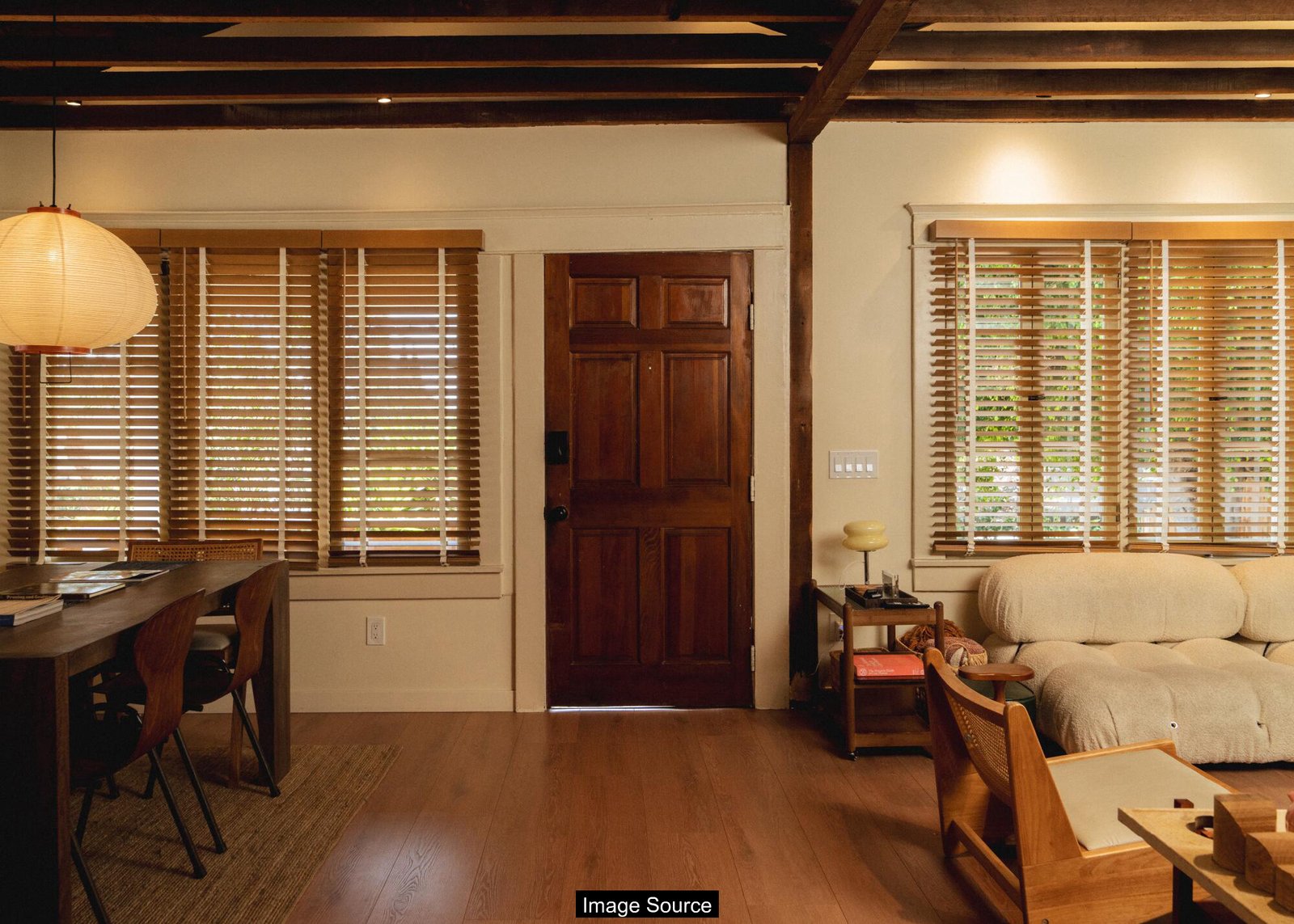
The studio’s design reveals Chan’s meticulous consideration to element and dedication to preserving architectural integrity. Uncovered beams, sliding cabinets, and thoroughly curated openings create a way of transparency and continuity. Every aspect tells a narrative, inviting inhabitants to expertise house not simply visually, however emotionally and sensually.
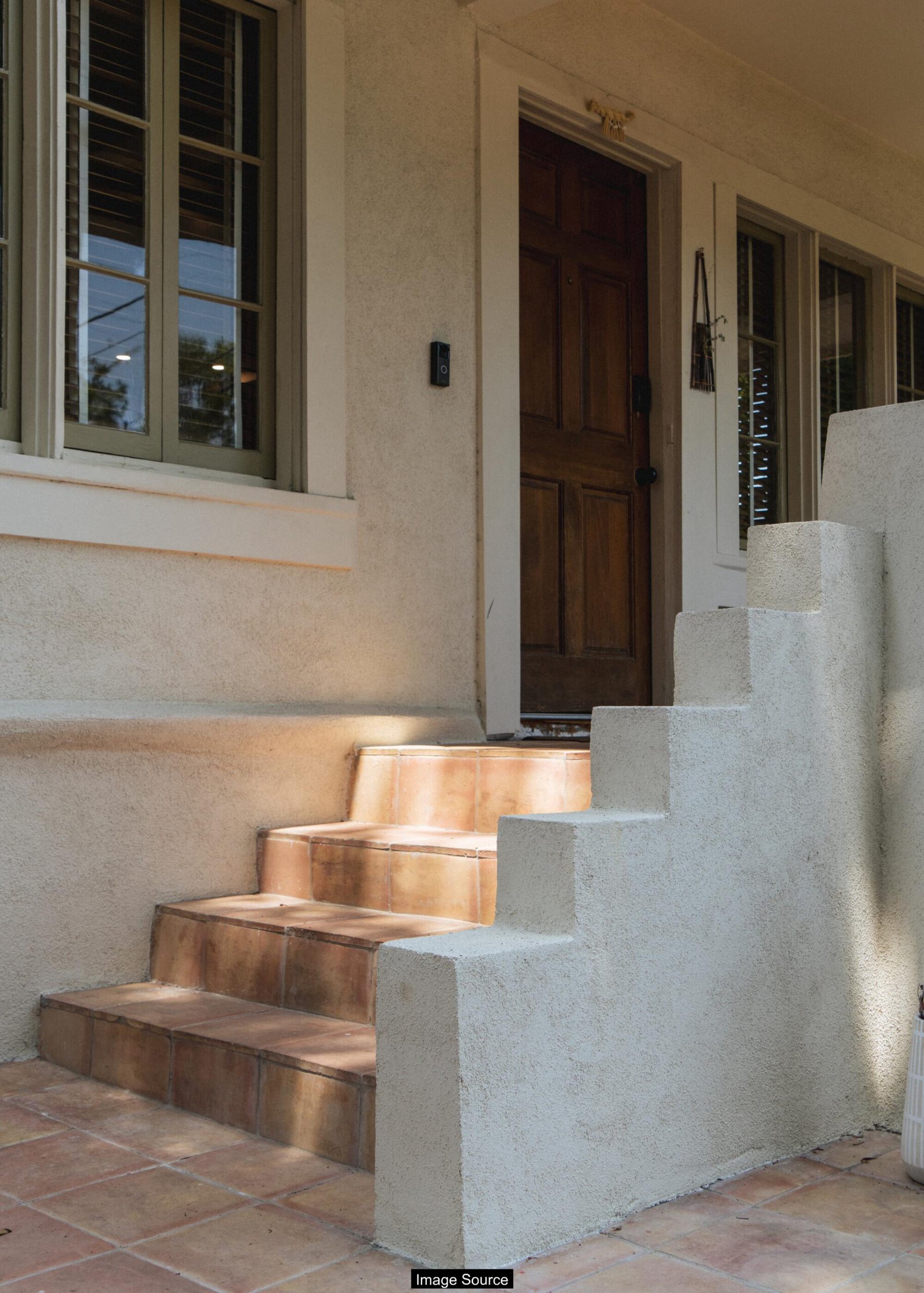
Chan’s perspective is deeply influenced by the Craftsman architectural motion, which championed accessibility and sweetness for on a regular basis individuals. By reimagining a Nineteen Twenties Craftsman residence, he continues a convention of democratizing design, believing that architectural areas needs to be each useful and profoundly significant.
Inspiration and Cultural Roots
Wong Kar Wai’s cinematic method profoundly influences Chan’s architectural philosophy. The filmmaker’s skill to seize delicate moments and create narrative by means of spatial interactions resonates deeply with Chan’s design ideas. Simply as Wai’s movies discover human connections by means of repeated gestures, Chan designs areas that facilitate and rejoice on a regular basis rituals.
His Hong Kong background infuses his work with a nuanced understanding of cultural reminiscence and private historical past. Chan sees houses as greater than bodily constructions—they’re repositories of non-public narratives, collections, and emotional landscapes. This angle transforms peculiar areas into private museums of lived expertise.
The idea of making ‘shrines’ to non-public objects displays a broader cultural apply of memorializing private histories. Chan believes that design ought to present platforms for people to curate and show their distinctive tales, turning mundane areas into deeply private environments.
Home Ritual: A Furnishings Philosophy
Chan’s upcoming furnishings line, Home Ritual, emerges from his architectural ethos of handmade craftsmanship and intentional design. Collaborating with Jeremy Kim, the gathering represents a deliberate rejection of mass-production tradition. Every bit is conceived as an clever object that invitations private interpretation and interplay.
The furnishings line challenges modern tendencies of effectivity and AI-driven manufacturing. By emphasizing handmade strategies, Chan advocates for a return to artisanal processes that imbue objects with soul and particular person character. Every bit turns into a dialog between maker, consumer, and broader cultural traditions.
Designed to be each useful and contemplative, the Home Ritual assortment encourages customers to view on a regular basis objects as potential sources of magnificence and that means. The furnishings transcends mere utility, changing into a medium for private expression and cultural storytelling.
Design as Dialog
Chan conceptualizes architectural design as an ongoing dialogue throughout generations. When renovating areas, he sees himself as partaking in a dialog with earlier architects, understanding and constructing upon their unique intentions. This method transforms restoration from a technical course of into an act of cultural preservation and interpretation.
His technique includes deep respect for a constructing’s unique character whereas introducing modern sensibilities. By preserving unique structural components like uncovered beams and understanding historic design contexts, Chan creates areas that really feel each timeless and instant.
This angle extends past bodily constructions, representing a broader philosophy of interconnectedness and respect for historic continuity. Chan believes that every architectural intervention is a contribution to an ongoing narrative, leaving house for future interpretations.
FAQ: Understanding Chan’s Design Philosophy
Q1. How does Paul Chan steadiness preservation and innovation in his architectural work?
A1. Chan views preservation not as static conservation however as a dynamic technique of understanding and reinterpreting historic areas. He seeks to honor unique architectural intentions whereas introducing modern sensibilities that make areas really feel alive and related.
Q2. What makes Home Ritual totally different from typical furnishings design?
A2. In contrast to mass-produced furnishings, Home Ritual emphasizes handcrafted strategies, private storytelling, and cultural significance. Every bit is designed to be greater than a useful object—it is a potential shrine to non-public recollections and experiences.
Future Outlook
Paul Chan’s architectural method represents a considerate response to modern design challenges. By prioritizing craftsmanship, cultural reminiscence, and private narrative, he provides a substitute for sterile, efficiency-driven design paradigms. His work means that significant areas are created by means of cautious remark, respect, and intentional creativity.
The Days of Being studio and Home Ritual furnishings line aren’t simply design initiatives—they’re manifestos for a extra aware method to creating dwelling environments. Chan demonstrates that structure generally is a highly effective medium for storytelling, cultural preservation, and private expression.
As city landscapes proceed to evolve, designers like Chan remind us that areas are greater than bodily constructions—they’re dwelling narratives ready to be understood, revered, and reimagined.
Supply: latimes.com