



The worldwide aviation business faces mounting stress to cut back its carbon footprint as environmental rules tighten and local weather issues intensify. Main carriers are more and more investing in sustainable aviation gas (SAF) applied sciences, exploring alternate options that may considerably decrease greenhouse gasoline emissions from air journey. These efforts come as airways search to steadiness rising passenger demand with more and more stringent environmental targets.
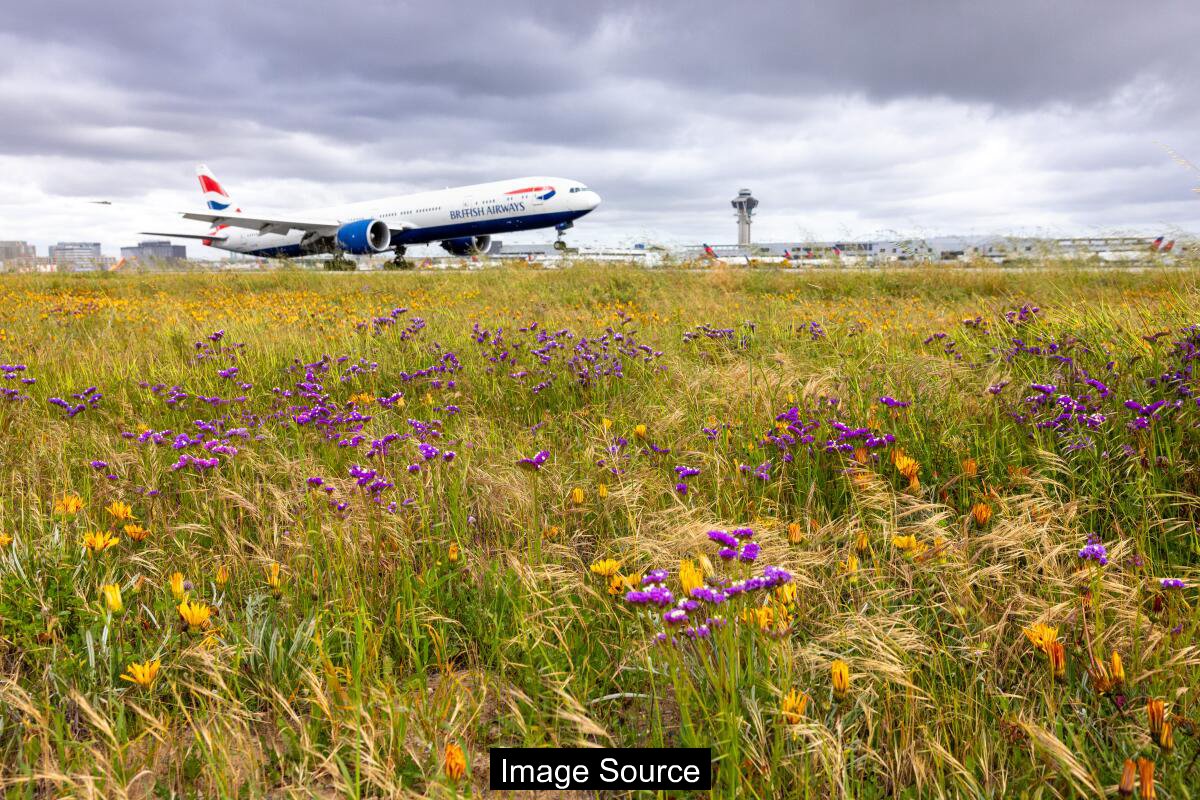
The Sustainable Aviation Gas Panorama
Worldwide Airways Group (IAG) has emerged as a worldwide chief in sustainable aviation gas (SAF) consumption, buying 55 million gallons of cleaner jet gas final yr. The gas, derived from sources like used cooking oil and animal tallow, represents a promising step towards lowering aviation’s carbon footprint. Nevertheless, this achievement is tempered by the fact that SAF nonetheless constitutes only one.9% of IAG’s whole gas consumption.
The worldwide aviation business faces a major problem in scaling sustainable gas adoption. Whereas SAF is predicted to extend from 0.3% to 0.7% of whole aviation gas this yr, passenger air journey is projected to climb 6%, probably negating environmental positive aspects. Consultants like Daisy Robinson from BloombergNEF acknowledge that the sustainable gas market stays in its nascent phases.
Regulatory frameworks are rising worldwide to speed up SAF adoption. The European Union and United Kingdom now require jet gas to incorporate a minimum of 2% sustainable aviation gas. Related mandates are being developed in areas like Canada’s British Columbia, Brazil, Indonesia, and Singapore, creating structured pathways for greener aviation practices.
Airline Efficiency and Company Engagement
U.S. airways have demonstrated various ranges of sustainable gas integration. Alaska Air Group stands out, growing its SAF utilization tenfold to 0.68% of whole gas consumption. In distinction, different main carriers like American Airways used solely 0.07% sustainable aviation gas, highlighting important disparities in inexperienced gas adoption.
Company journey sectors have performed an important position in supporting SAF initiatives. Expertise corporations and consulting companies have funded greater than half of Alaska’s sustainable gas purchases. Microsoft, as an illustration, diminished its emissions by 65,000 tons by supporting greener gas alternate options, demonstrating company dedication to carbon discount methods.
The financial challenges of sustainable aviation gas stay substantial. Corporations at present pay between $150 to $300 per ton of carbon dioxide prevented by SAF purchases, in comparison with carbon offsets averaging round $6.30 per ton. This important value differential presents a major barrier to widespread adoption.
Manufacturing Challenges and Business Dynamics
International sustainable aviation gas manufacturing continues to develop inconsistently. Whereas new amenities like Diamond Inexperienced Diesel’s Texas plant have emerged, different initiatives have confronted setbacks. World Vitality’s pioneering SAF plant in Paramount has been shut down, reflecting the unstable nature of inexperienced gas infrastructure growth.
Main oil corporations have scaled again earlier formidable renewable gas commitments. BP, which as soon as introduced plans for producing 50,000 barrels of renewable fuels every day, has redirected focus towards conventional fossil gas investments. Business consultants emphasize the important want for sustained funding from massive power companies.
Projections for SAF integration range extensively. The Worldwide Air Transport Affiliation anticipates sustainable aviation gas may comprise 80-90% of gas provide by mid-century. Nevertheless, BloombergNEF gives a extra conservative estimate, predicting SAF will characterize solely about 7% of business gas by 2050 on account of restricted feedstock and manufacturing constraints.
Incessantly Requested Questions About Sustainable Aviation
What makes sustainable aviation gas totally different from conventional jet gas? Sustainable aviation gas is produced from lower-emission sources like cooking oil, animal tallow, and different renewable feedstocks, considerably lowering carbon emissions in comparison with typical petroleum-based jet gas.
How important are the present environmental advantages of SAF? Whereas promising, sustainable aviation gas at present represents a minimal share of whole gas consumption. Most airways are utilizing lower than 2% SAF, which means substantial emissions reductions are nonetheless theoretical reasonably than transformative.
Business Advocacy and Future Views
Some aviation professionals are pushing for extra complete emissions methods. Teams like Name Aviation to Motion, based by former business executives, advocate for agency emissions limits and extra aggressive coverage interventions. Their proposals embrace potential levies on frequent fliers and carbon taxes on jet gas.
The long-term outlook for aviation sustainability stays advanced. Passenger air journey is predicted to double by 2050, probably overwhelming present inexperienced expertise efforts. This projected progress underscores the pressing want for revolutionary approaches to managing aviation’s environmental influence.
Business leaders acknowledge the important significance of balancing technological innovation with systemic change. Karel Bockstael, a former KLM sustainability govt, emphasizes the necessity for strategic planning to make sure the aviation sector can adapt to more and more stringent planetary boundaries.
Strategic Abstract
Sustainable aviation gas represents a promising however nascent expertise within the world effort to cut back aviation’s carbon footprint. Present adoption charges stay low, with most airways utilizing lower than 2% sustainable gas, regardless of rising regulatory pressures and company sustainability commitments.
The trail ahead requires coordinated efforts from airways, expertise corporations, gas producers, and policymakers. Important investments in manufacturing infrastructure, continued analysis, and supportive regulatory frameworks will likely be important to accelerating the transition to greener aviation.
Because the business confronts the twin challenges of accelerating passenger journey and environmental sustainability, revolutionary approaches and collaborative methods will likely be essential in figuring out aviation’s long-term ecological trajectory.
※ This text summarizes publicly obtainable reporting and is offered for basic info solely. It’s not authorized, medical, or funding recommendation. Please seek the advice of a certified skilled for selections.
Supply: latimes.com