



The Canadian authorities has intervened in an escalating labor dispute involving Air Canada, implementing obligatory arbitration to forestall potential disruptions to air journey. The choice comes after extended negotiations between the airline and its employees reached an deadlock, signaling the federal government’s dedication to sustaining stability within the nationwide transportation sector.
The Air Canada Labor Dispute Erupts
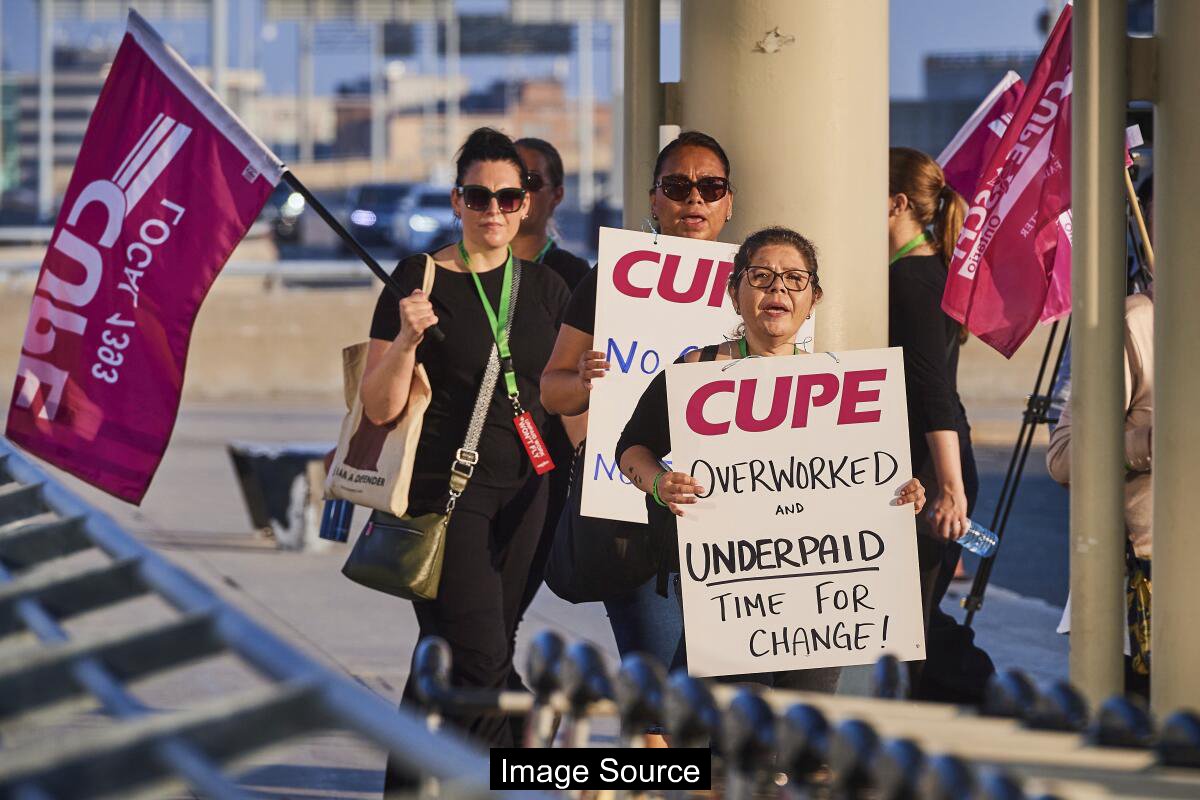
Canada’s largest airline confronted an unprecedented work stoppage when flight attendants walked off the job, stranding over 100,000 vacationers throughout peak summer season journey season. The sudden strike highlighted deep tensions between Air Canada and its workforce of roughly 10,000 flight attendants. Labor negotiations had been ongoing for eight months with out decision.
The battle centered on compensation and dealing situations, with union representatives arguing that flight attendants weren’t receiving truthful therapy. Flight attendants, who’re roughly 70% girls, identified that male pilots had just lately obtained important raises. The union rejected Air Canada’s newest provide of a 38% whole compensation enhance over 4 years.
Union management was notably vocal in regards to the challenges confronted by employees. CUPE president Wesley Lesosky described the scenario as problematic, stating that staff of the nationwide provider had been working in poverty. The dispute mirrored broader problems with wage fairness and labor rights within the Canadian transportation sector.
Authorities Intervention and Arbitration
Jobs Minister Patty Hajdu swiftly intervened within the labor dispute, forcing Air Canada and its flight attendants into obligatory arbitration. The federal government’s choice got here lower than 12 hours after employees initiated the strike, citing financial dangers and the vital nature of air transportation in Canada.
The intervention meant that flight attendants could be required to return to work, with the Canada Industrial Relations Board overseeing the method. Hajdu prolonged the present collective bargaining settlement till a brand new contract might be decided via arbitration.
Educational consultants like Ian Lee from Carleton College famous that such authorities interventions in transportation strikes are usually not unprecedented. Canada has traditionally used this method roughly 45 instances since 1950, reflecting the nation’s dependence on transportation infrastructure.
The union management strongly criticized the federal government’s motion, arguing that it violated the constitutional proper to strike. CUPE representatives seen the intervention as rewarding Air Canada’s negotiation ways.
Traveler Affect and Disruption
The strike and subsequent authorities intervention created important disruptions for roughly 130,000 every day vacationers. Air Canada, which generally operates round 700 flights per day, noticed its whole community successfully grounded in the course of the labor dispute.
Vacationers expressed widespread frustration with the dearth of communication and restricted rebooking choices. Many passengers reported being stranded or dealing with advanced journey rearrangements. Some vacationers had been pressured to pay for extra lodging and search different transportation strategies.
Air Canada tried to mitigate the affect by providing full refunds and exploring different journey choices via different Canadian and worldwide airways. Nonetheless, the height summer season journey season meant that different flights had been already closely booked.
Understanding the Labor Dispute
The core points within the labor dispute prolonged past easy wage negotiations. Flight attendants argued that they had been constantly performing unpaid work when plane weren’t in energetic flight. They highlighted gender disparities, noting that predominantly feminine flight attendants had been receiving much less favorable therapy in comparison with male pilots.
Air Canada’s newest compensation provide included an 8% elevate within the first yr, which the union deemed inadequate given present inflation charges. The airline maintained that its proposal would have made flight attendants the best-compensated in Canada.
The dispute mirrored broader conversations about truthful compensation, gender fairness, and labor rights within the transportation trade. Union representatives emphasised the important function of flight attendants in guaranteeing passenger security and repair high quality.
FAQ: Air Canada Strike Insights
Q1. What number of flight attendants had been concerned within the strike?
A1. Roughly 10,000 Air Canada flight attendants had been a part of the labor motion, representing members of the Canadian Union of Public Staff (CUPE).
Q2. What had been the first causes for the strike?
A2. The important thing points included compensation disparities, considerations about unpaid work, gender fairness in pay, and what union representatives described as poverty-level wages for important employees.
Strategic Abstract
The Air Canada labor dispute highlighted advanced dynamics between employees, administration, and authorities intervention within the transportation sector. The swift arbitration demonstrated the Canadian authorities’s method to sustaining financial stability throughout labor conflicts.
Whereas the fast disaster was addressed via obligatory arbitration, the underlying problems with truthful compensation and office fairness remained unresolved. The incident underscored the challenges confronted by service employees in negotiating aggressive wages and dealing situations.
Transferring ahead, each Air Canada and the flight attendants’ union might want to interact in significant dialogue to handle systemic office considerations. The decision of this dispute may doubtlessly set precedents for labor negotiations within the Canadian transportation trade.
※ This text summarizes publicly out there reporting and is supplied for common data solely. It isn’t authorized, medical, or funding recommendation. Please seek the advice of a certified skilled for choices.
Supply: latimes.com
