



A rising ecological problem is rising in Southern California, the place launched honeybee populations are more and more displacing native pollinator species. Current ecological research point out that the aggressive foraging and aggressive behaviors of those non-native honeybees are considerably lowering habitat and nectar assets for indigenous bees, butterflies, and different vital native pollinators.
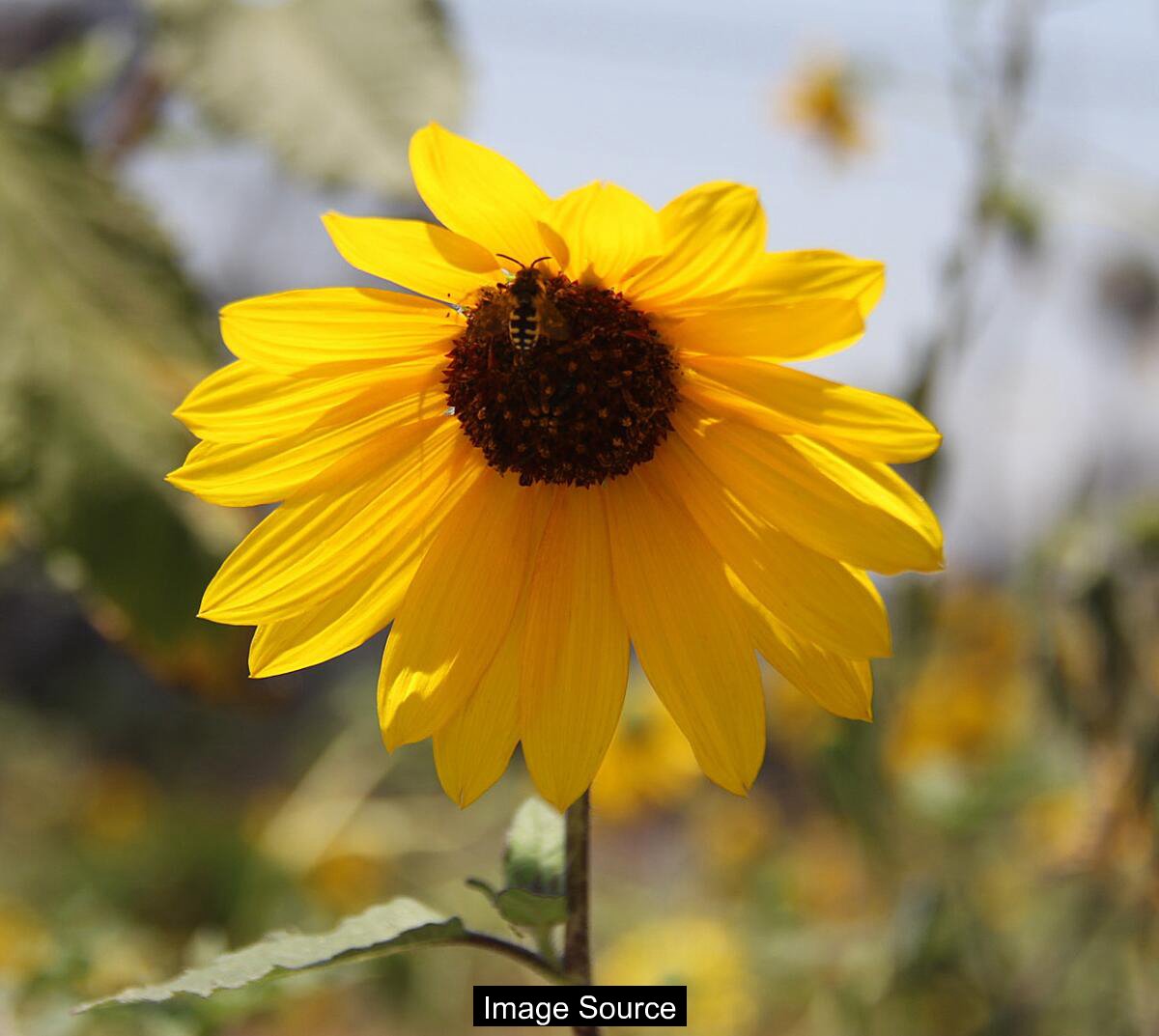
The Disappearing Native Bees
Summer time in Southern California has been unusually cool, however the warmth could return quickly. Whereas monarch butterflies are thriving in some gardens, native bees appear to be struggling. Researchers have found that nonnative honeybees are dominating flower assets, making it tough for native bee species to outlive and reproduce.
These feral honeybees, initially from Europe and cross-bred with African honeybees, are extremely environment friendly pollinators. They convey inside their hive, can fly in colder circumstances, and accumulate pollen from all kinds of flowers. In distinction, native bees are specialists, usually tied to particular native plant species and fewer aggressive of their foraging methods.
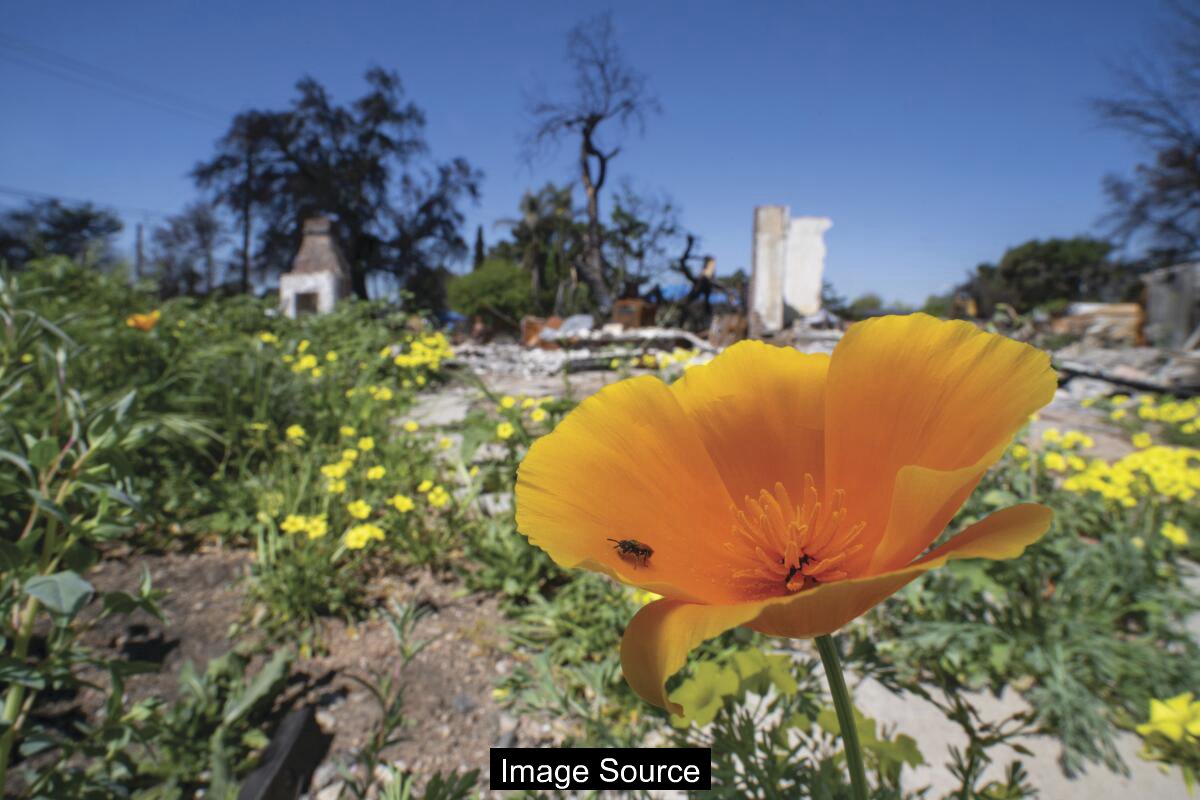
Native Bee Resilience
Photographer Krystle Hickman’s work highlights the outstanding resilience of native bees. In a single hanging instance, California poppy fairy bees survived in underground nests even after a devastating hearth destroyed their habitat. This demonstrates the unimaginable adaptability of those small however essential pollinators.
Hickman’s upcoming guide, ‘The ABCs of California’s Native Bees,’ paperwork roughly 1,600 native bee species, showcasing their variety and significance in native ecosystems. Her analysis emphasizes that these bees aren’t simply lovely however important elements of California’s pure panorama.
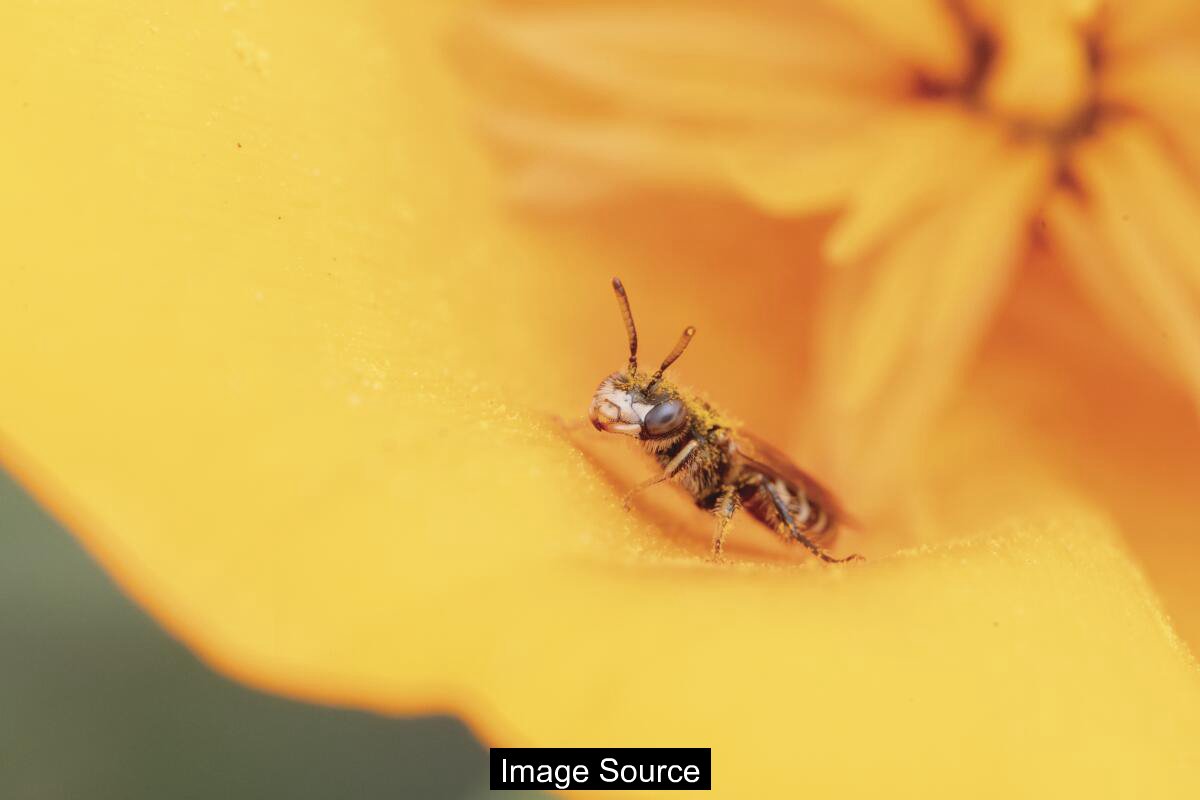
Supporting Native Bee Habitats
Specialists suggest a number of methods for creating bee-friendly landscapes. Gardeners ought to plant various native species in small to modest quantities, avoiding giant stands of a single plant kind which may entice honeybees. Leaving naked soil uncovered and sustaining plant stalks can present essential nesting areas for native bees.
Moreover, avoiding pesticides and herbicides is vital. As entomologist Keng-Lou Hung explains, making a habitat is not assured, however eliminating poisonous chemical substances considerably improves the probabilities of supporting native bee populations. The objective is to create a various, interconnected ecosystem that helps a number of pollinator species.
Preserving native bee variety isn’t just about particular person species survival, however sustaining the advanced, interdependent nature of ecological methods. Every species performs a singular position, and dropping even seemingly insignificant pollinators can have far-reaching penalties for our surroundings.
Supply: latimes.com