



A devastating marine epidemic that decimated sea star populations alongside the Pacific Coast over the previous decade has been traced to a fancy viral interplay. Researchers have now recognized how a densovirus combines with environmental stressors to set off the deadly syndrome, which precipitated widespread mortality amongst a number of sea star species.
The Marine Thriller Unfolding
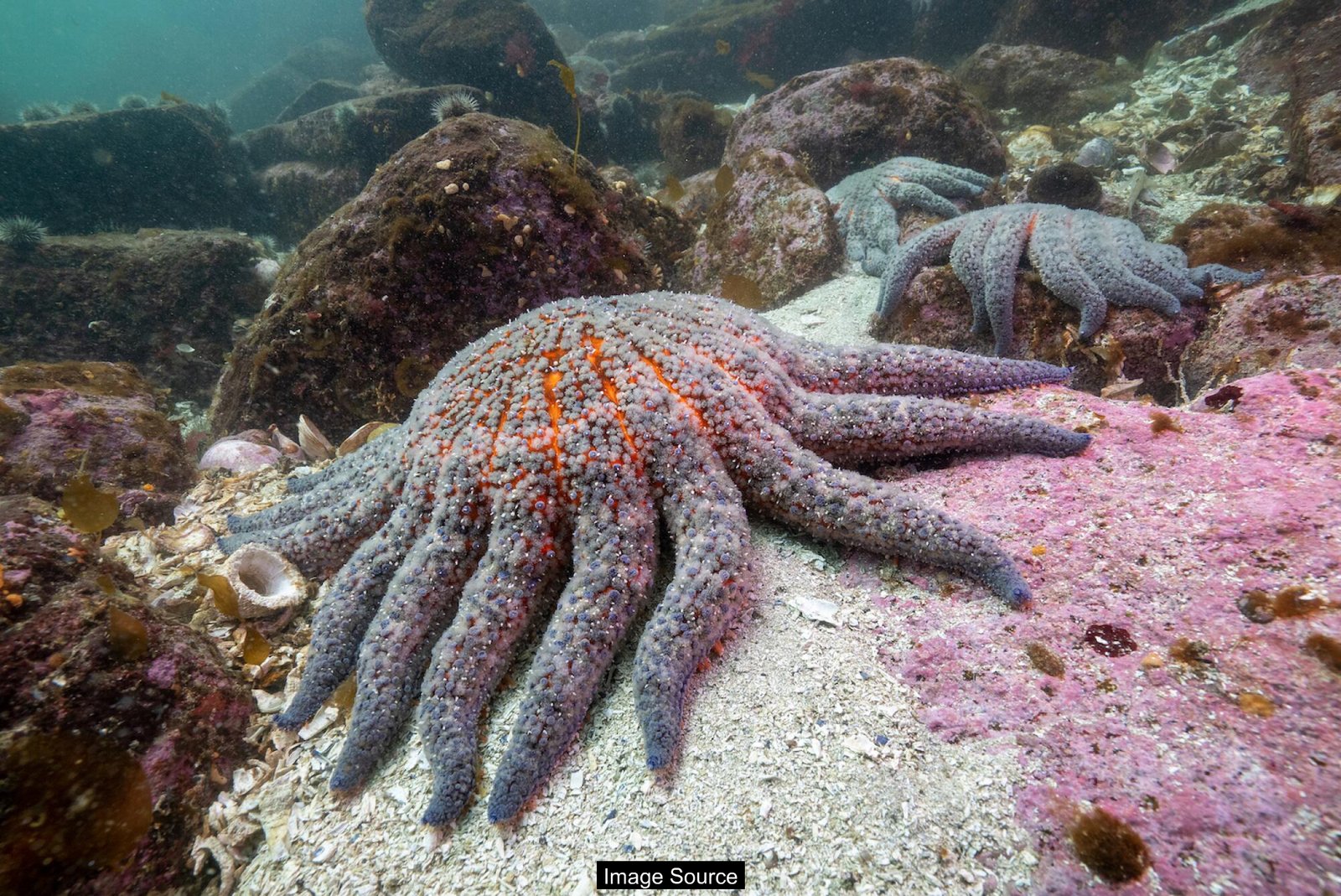
Sea star losing illness (SSWD) emerged as a devastating marine epidemic in 2013, reworking coastal ecosystems alongside the West Coast. Billions of sea stars perished, with the sunflower sea star inhabitants plummeting by 94% globally. California alone witnessed a catastrophic 99% inhabitants loss, leaving marine biologists puzzled in regards to the underlying trigger.
The mysterious illness turned vibrant sea stars into decaying, fragmented carcasses, disrupting intricate marine ecosystems. Scientists noticed complete shoreline communities being systematically decimated, triggering pressing analysis efforts to know the phenomenon. A devoted community of researchers shaped to analyze this ecological disaster.
Sunflower sea stars, scientifically generally known as Pycnopodia helianthoides, have been significantly weak to this outbreak. Their fast inhabitants collapse signaled a possible ecological tipping level, threatening the fragile steadiness of marine habitats alongside the Pacific Coast.
Breakthrough in Illness Detection
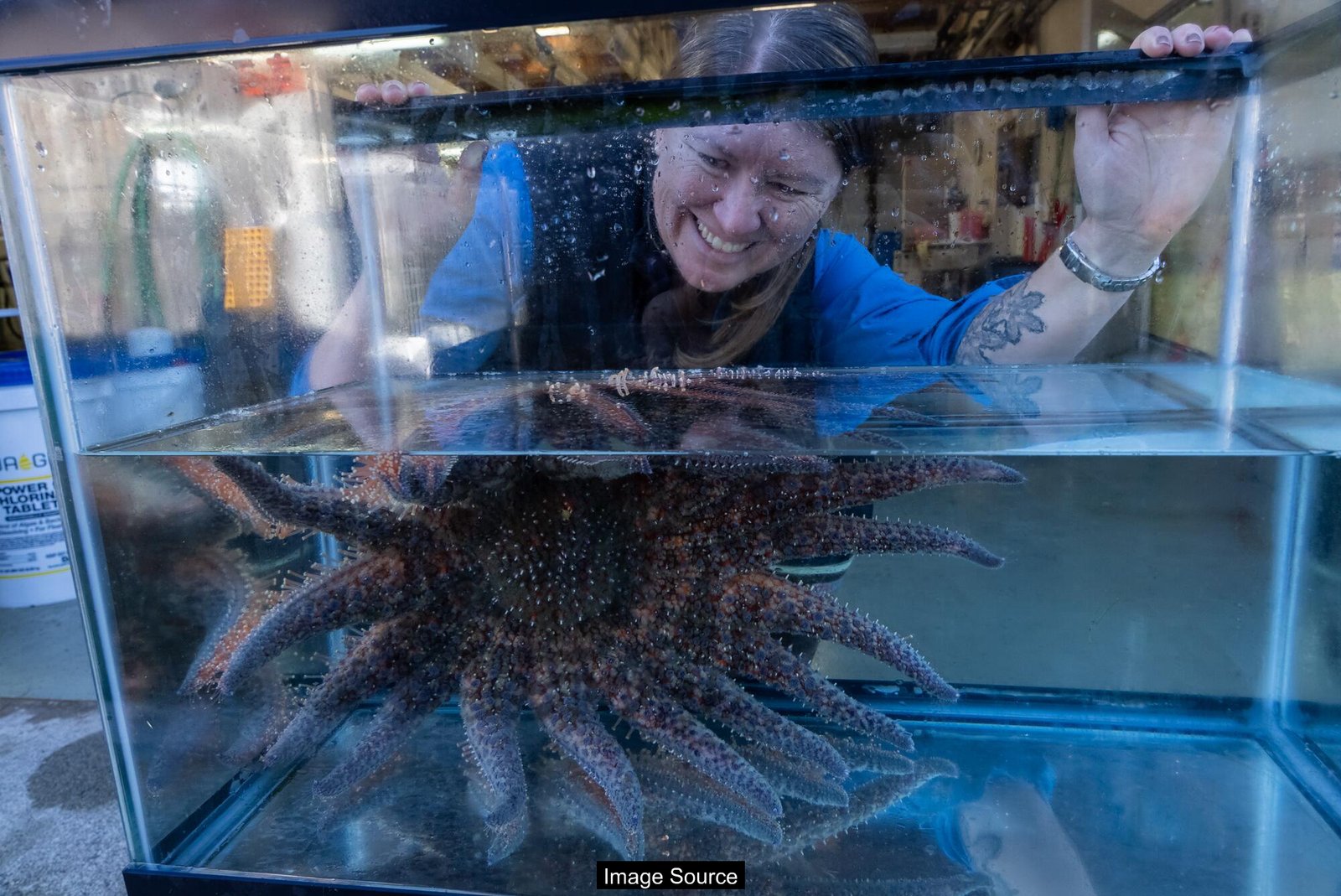
Researchers from the Hakai Institute and College of British Columbia made a groundbreaking discovery in figuring out the reason for sea star losing illness. By way of meticulous genetic evaluation, they pinpointed Vibrio pectinocida, a particular marine micro organism, as the first perpetrator behind the devastating epidemic.
The scientific workforce employed refined strategies to check gene expressions between wholesome and contaminated sea stars. Their methodical method revealed that Vibrio pectinocida was persistently current in diseased specimens and absent in wholesome controls, offering compelling proof of its function within the illness.
Marine illness ecologist Alyssa Gehman described the second of discovery as ‘mind-blowingly clear,’ highlighting the importance of their analysis. The breakthrough presents hope for understanding and probably mitigating the illness’s affect on marine ecosystems.

Ecological Penalties
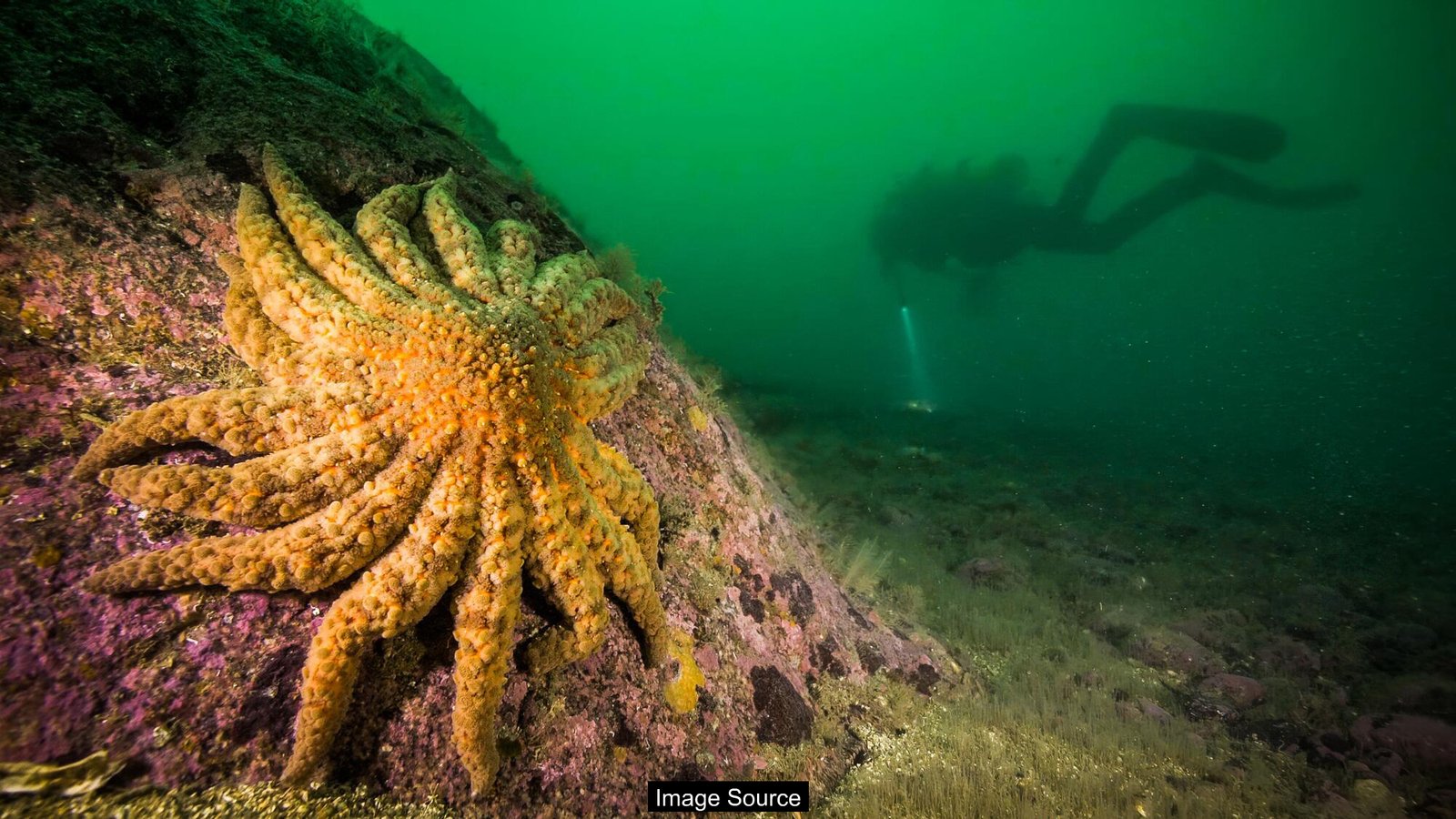
The disappearance of sunflower sea stars triggered a cascading ecological transformation, significantly in kelp forest environments. These sea stars function a keystone species, critically regulating ecosystem stability by controlling purple sea urchin populations. With out their predatory affect, urchin numbers exploded unchecked.
Purple sea urchins entered what researchers describe as a ‘zombie state,’ systematically consuming kelp forests and changing lush underwater habitats into barren landscapes. Northern California skilled over 95% kelp forest cowl loss, with a number of areas now thought of ecological collapse zones.
Kelp forests characterize advanced marine ecosystems supporting roughly 800 animal species. Past biodiversity, these underwater forests carry out essential environmental features, together with water filtration, carbon storage, and coastal safety in opposition to storms and erosion.
Conservation and Restoration Methods
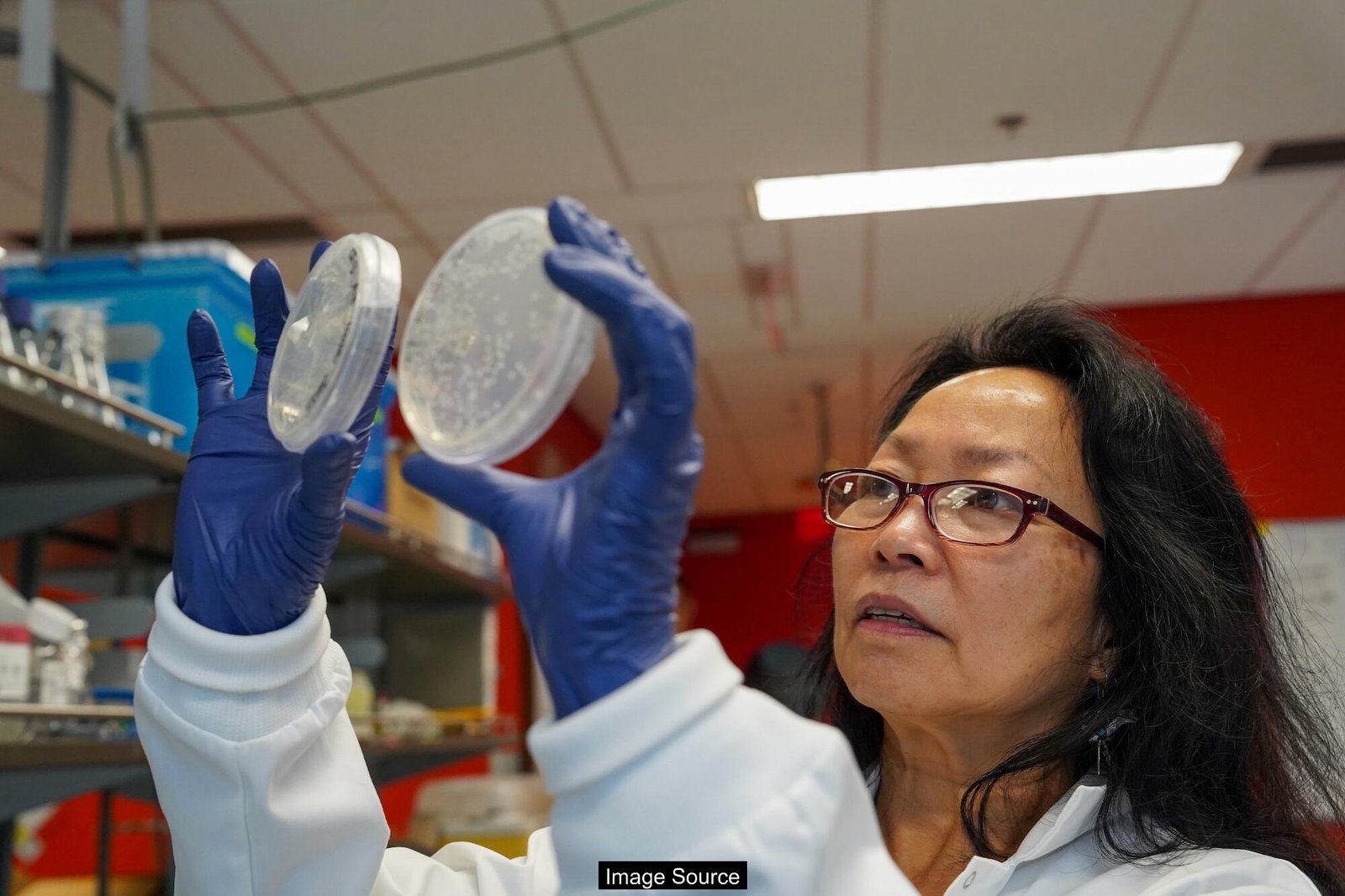
Scientists are creating progressive approaches to revive sunflower sea star populations. Researchers like Melanie Prentice are creating fast screening strategies much like COVID exams to detect Vibrio pectinocida in sea stars and marine environments earlier than potential reintroduction.
The College of Washington’s Friday Harbor Laboratories have made important progress in captive breeding. In 2022, they efficiently launched lab-bred sea stars into the ocean, with promising preliminary outcomes. Some two-year-old specimens have been noticed thriving of their pure habitat.
Future analysis goals to analyze potential illness resistance mechanisms. Methods embrace exploring whether or not managed publicity to low micro organism doses may assist develop extra resilient sea star populations. Conservation teams are cautiously optimistic about these rising restoration strategies.
Often Requested Questions
Q1. How important was the ocean star inhabitants decline?
A1. Sunflower sea stars skilled a catastrophic 94% international inhabitants discount since 2013, with California shedding roughly 99% of its inhabitants.
Q2. What makes sunflower sea stars necessary for marine ecosystems?
A2. As a keystone species, they play a crucial function in controlling sea urchin populations and sustaining the steadiness of kelp forest ecosystems, which help roughly 800 completely different animal species.
Future Outlook
The identification of Vibrio pectinocida represents a pivotal second in marine conservation analysis. Scientists now have a clearer understanding of the mechanisms driving sea star losing illness, opening new pathways for potential intervention and ecosystem restoration.
Ongoing analysis and conservation efforts provide hope for recovering these crucial marine populations. Collaborative initiatives between analysis establishments, aquariums, and wildlife administration businesses are creating complete methods to reintroduce and defend sunflower sea stars.
Marine biologists emphasize the broader lesson: even seemingly plentiful species can quickly disappear, underscoring the fragility of marine ecosystems and the significance of continued scientific investigation and conservation efforts.
※ This text summarizes publicly out there reporting and is supplied for common data solely. It’s not authorized, medical, or funding recommendation. Please seek the advice of a professional skilled for selections.
Supply: latimes.com